Reviewing Sweet Street Gingerbread Village Design
As an embroidery designer who has spent countless hours digitizing and stitching holiday motifs, I approach every new machine embroidery design with a mix of excitement and skepticism. The market is flooded with seasonal graphics, but few hold up under the scrutiny of actual stitching. When I first loaded the Sweet Street Gingerbread Village Design, my immediate impression was one of nostalgic warmth. It captures that specific, cozy feeling of a storybook Christmas without relying on cliché clip-art aesthetics. For those of us running a craft business or selling on Etsy, finding a design that balances whimsical charm with technical stitchability is rare. This review breaks down how this design performs in real-world applications, from custom apparel to home decor.
First Impressions and Visual Personality
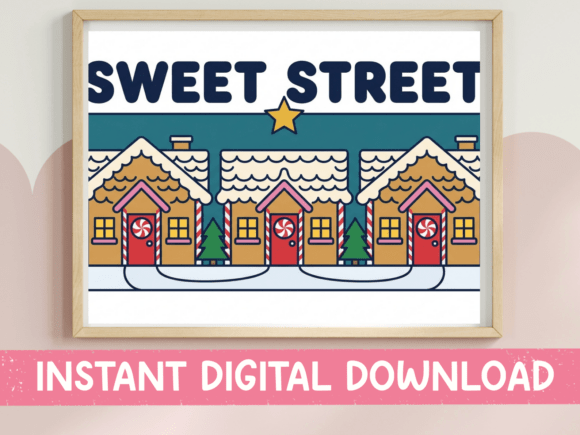
The layout of the Sweet Street Gingerbread Village Design is its strongest asset. It features three matching gingerbread-style houses with snowy rooftops and candy cane red doors, arranged in a way that creates a cohesive scene rather than three disjointed icons. The visual personality is cheerful and inviting, making it an ideal candidate for holiday embroidery projects that aim to evoke comfort. The line work appears clean, suggesting that the digitizer paid attention to pathing, which is crucial for reducing thread breaks and jump stitches. However, as a reviewer, I look beyond the preview image. I ask myself: will these details translate well when reduced to thread on fabric? The answer, in most cases, is yes, provided you respect the scale.
Real-World Application: The Custom Tote Bag Test
To truly evaluate a design, you must imagine it on a finished product. I recently considered using this design for a limited-run tote bag design series for a local boutique. Canvas tote bags are popular handmade products, but they present challenges due to their textured weave. The Sweet Street Gingerbread Village Design worked surprisingly well here. The bold outlines of the gingerbread houses provided enough definition to stand out against the rougher fabric texture. I opted for a cream-colored thread for the snow and vibrant reds for the doors, creating a high-contrast look that popped. This experience highlighted the design’s versatility; it is not just a static image but a flexible design asset that can adapt to various substrates.
Beyond totes, this graphic shines in sweatshirt embroidery. The soft, fuzzy surface of fleece or French terry can sometimes swallow fine details, but the substantial fill areas in the rooftops and house bodies ensure the image remains legible. For custom apparel, this means the design retains its impact even from a distance, making it perfect for family matching pajamas or holiday party outfits. If you are an Etsy seller looking to expand your winter catalog, this design offers the kind of visual appeal that drives clicks and conversions.
Technical Considerations for Stitchers
While the aesthetic is strong, practical execution requires attention to detail. One must consider stitch density. Gingerbread themes often rely on "cookie-like" textures, which can be achieved through dense fill stitch patterns. If the density is too high for lightweight fabrics, you risk puckering. I strongly advise testing the design on scrap fabric before committing to your final garment. Use a cut-away stabilizer for stretchy materials like jersey knits or sweatshirts to provide adequate support. For woven fabrics like cotton twill or linen, a tear-away stabilizer may suffice, but always check the back of your hoop after stitching to ensure no gaping holes or excessive tension issues.
Another critical factor is hoop size. This village scene is horizontal and moderately wide. Ensure your machine’s hoop can accommodate the full width without cropping the edges. If you are working with a smaller hoop, you may need to split the design, though this is generally not recommended for a cohesive scene like this. Instead, consider scaling it down slightly, but be cautious. Shrinking the design too much can cause the tiny details, such as the windows or door handles, to become indistinct blobs of thread. Always inspect the small details at 100% zoom in your embroidery software before sending the file to your machine.
Navigating Fabric and Color Challenges
Color selection plays a pivotal role in how the Sweet Street Gingerbread Village Design is perceived. The description mentions candy cane red doors, which implies a traditional palette. However, modern buyers often appreciate unique twists. I experimented with non-traditional thread colors, using pastel blues and silvers for a "winter frost" vibe. The design held up well, proving its flexibility. Nevertheless, when working on dark fabrics, you must ensure your underlay stitches are sufficient to prevent the background color from showing through the lighter threads. A white underlay beneath the snow rooftops is essential for brightness and clarity.
Be particularly careful with textured or looped fabrics. While the design works on towels, the running stitch elements might get lost in the pile. In such cases, increasing the stitch length slightly or using a satin stitch border can help define the shapes. For baby embroidery items like onesies or bibs, ensure that the back of the stitching is smooth and free of scratchy knots or excessive trimmings, as infant skin is sensitive. Using a soft backing or covering the back with iron-on interfacing can enhance comfort and professionalism.
Commercial Viability and Brand Consistency
For commercial embroidery professionals and small shop product creators, consistency is key. This design lends itself well to branding because it is recognizable and distinct. Whether used on embroidered patch items for jackets or as a central motif on pillow covers, it maintains its integrity. It adds perceived value to the finished product, allowing you to price your items competitively. Customers associate high-quality, complex-looking embroidery with craftsmanship, and this design delivers that impression without requiring hours of machine time.
However, always verify the licensing terms associated with your digital embroidery file. While many designers allow commercial use for physical goods, restrictions may apply to digital resale or mass production limits. Confirming these details protects your business and ensures ethical practice. Additionally, when creating printable mockup images for your online store, ensure the lighting and angles accurately represent the texture of the stitches. Misleading previews can lead to customer dissatisfaction, so honesty in presentation builds trust.
Final Verdict for Makers and Designers
The Sweet Street Gingerbread Village Design is a robust addition to any holiday collection. It bridges the gap between cute and sophisticated, making it suitable for a wide range of personalized gift options. From aprons for the holiday baker to caps for winter walks, its adaptability is its greatest strength. Just remember to respect the technical requirements: choose the right stabilizer, test your tension, and select thread colors that complement rather than clash. By treating this design with the care it deserves, you can create stunning embroidery project outcomes that delight customers and elevate your brand. It is a reliable, charming, and professionally viable choice for the upcoming season.