Ramen Makes Everything Better: A Designer’s Review
As an embroidery designer who has spent countless hours digitizing and stitching everything from delicate monograms to bold logos, I have learned that not every graphic translates well to thread. When I first encountered the Ramen Makes Everything Better T-shirt design, my initial reaction was one of cautious optimism. The concept is playful and universally relatable, tapping into the cozy, comfort-food aesthetic that dominates current lifestyle trends. However, a cute idea on a screen does not always equal a successful embroidery project. I needed to know if this asset held up under the needle.
The product description notes that the file includes EPS, SVG, and PNG formats, marketed as ready-to-print with 300 DPI. For those of us in the T-Shirt Designs and Graphics space, this immediately signals that the primary intent might be sublimation or direct-to-garment printing rather than machine embroidery. This distinction is critical. If you are an Etsy seller or a craft business owner looking to expand into stitched goods, you must approach this file with a clear strategy. You cannot simply load a raster PNG into your embroidery software and expect professional results. This review explores how to adapt this visual concept for real-world stitching, ensuring your finished product looks intentional, high-quality, and valuable.
First Impressions and Visual Personality
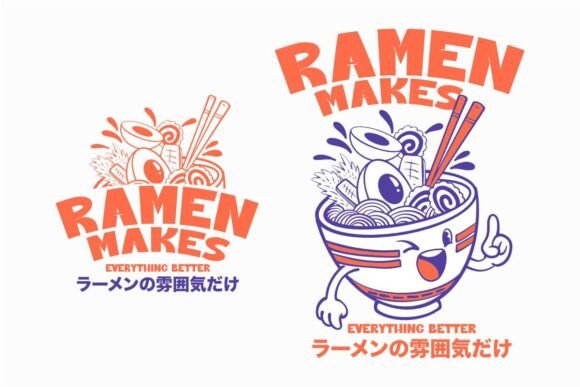
The mood of the Ramen Makes Everything Better T-shirt design is undeniably cheerful. It speaks to the hobbyist who loves kitchen culture, the student who lives on noodles, or the foodie who appreciates culinary humor. Visually, these types of designs usually feature bold lines and recognizable shapes—bowls, chopsticks, steam swirls, and perhaps some stylized typography. In a digital format, these elements pop. But in embroidery, we deal with physical constraints.
When evaluating this for a custom apparel line, I look at the complexity. Does the design rely on tiny details that will get lost in the fabric texture? If the original graphic includes fine text or intricate noodle strands, these will need significant simplification for a machine embroidery design. The charm of embroidery lies in its texture, not its photographic precision. Therefore, the success of this design depends on how well it can be converted into solid shapes using satin stitch for borders and fill stitch for larger areas, while avoiding excessive density that causes puckering.
Real-World Application: From Screen to Stitch
Let’s consider a realistic scenario. Imagine you are preparing a custom order for a local boutique that wants a line of cozy sweatshirt embroidery pieces. The client loves the "Ramen" theme but wants it stitched, not printed. Here is how I would approach using the Ramen Makes Everything Better T-shirt concept.
First, I would use the provided SVG or EPS vector files as a tracing template in my digitizing software. Vector graphics are essential here because they allow me to resize the image without losing edge clarity. I would simplify the design, removing any gradients or shadows that do not translate to thread. For a sweatshirt, which has a thicker, textured surface, I would increase the stitch length slightly to prevent the design from sinking into the fleece. A running stitch outline might be used for internal details to keep the look light and flexible.
Alternatively, consider a tote bag design. Canvas is sturdy and handles higher stitch density well. Here, you could go bolder with the colors, using vibrant thread colors like chili red, egg yolk yellow, and scallion green. The contrast against a natural beige canvas would make the handmade product stand out at a craft fair. This application turns a simple graphic into a durable, functional accessory that appeals to students and young professionals alike.
Navigating Fabric and Hoop Constraints
One of the biggest mistakes makers make is ignoring the relationship between the design and the hoop size. If you are attempting to stitch this on a cap or a curved surface, the design must be narrow enough to fit within the cap frame without distorting. The "Ramen" bowl shape is naturally wide, so you may need to rotate the design or stack elements vertically to fit a standard 4x4 or 5x7 hoop.
Fabric choice is equally important. On thin or stretchy fabrics, such as those used for baby embroidery items, this design requires careful stabilization. A cut-away stabilizer is non-negotiable to support the weight of the stitches. If the design includes dense areas, such as a solid-colored bowl, test it on scrap fabric first. Dense stitching on lightweight jersey can cause unsightly puckering, ruining the professional look of your personalized gift.
Dark fabrics present another challenge. If the original design relies on light colors for visibility, stitching it on a black hoodie requires high-contrast thread choices. You might need to add a white underlay or outline to ensure the ramen bowl pops against the dark background. Always test your digital embroidery file conversion on both light and dark fabrics before committing to client orders.
Commercial Viability and Brand Consistency
For small shop product lines, consistency is key. Using the Ramen Makes Everything Better T-shirt theme across multiple items—aprons, tea towels, and patches—creates a cohesive brand identity. An embroidered patch featuring this design could be a low-risk entry point for customers unsure about committing to a full garment. Patches allow for high-density stitching on twill backing, which captures detail beautifully and can be ironed or sewn onto various items later.
However, licensing is a crucial consideration. The product description mentions it is suitable for digital printing and sublimation, but it does not explicitly state commercial embroidery rights. Before selling any commercial embroidery items derived from this graphic, you must confirm the license terms. Many designers purchase files for personal use only. Selling finished items without proper clearance can lead to legal issues and damage your reputation as a professional maker. Always verify if the design assets include a commercial use clause for stitched goods.
Practical Designer Notes for Success
To ensure the best outcome when adapting this graphic for embroidery, follow these practical steps:
- Digitize from Vector: Use the included EPS or SVG files to trace the design in your embroidery software. Do not auto-digitize complex raster images.
- Simplify Details: Remove tiny text or intricate lines that are smaller than 3mm, as they will not stitch cleanly.
- Test Stitch Density: Run a test on similar fabric to check for puckering. Adjust pull compensation if necessary.
- Check Contrast: Ensure your thread colors stand out against the fabric. Use a color wheel to select complementary shades.
- Verify Licensing: Confirm with the creator whether the file permits commercial use for embroidered products.
- Use Proper Stabilizer: Match your stabilizer to the fabric weight. Heavier fabrics need less support; lighter fabrics need more.
In conclusion, the Ramen Makes Everything Better T-shirt design offers a fun, trending aesthetic that resonates with modern consumers. While it is marketed primarily for printing, its vector components make it a viable candidate for embroidery if handled with technical care. By respecting the limitations of thread and fabric, and by prioritizing clean digitizing practices, you can transform this graphic into a high-value holiday embroidery gift or a staple in your small business merchandise lineup. The key is not just using the file, but understanding how to translate its spirit into the tactile language of embroidery.